
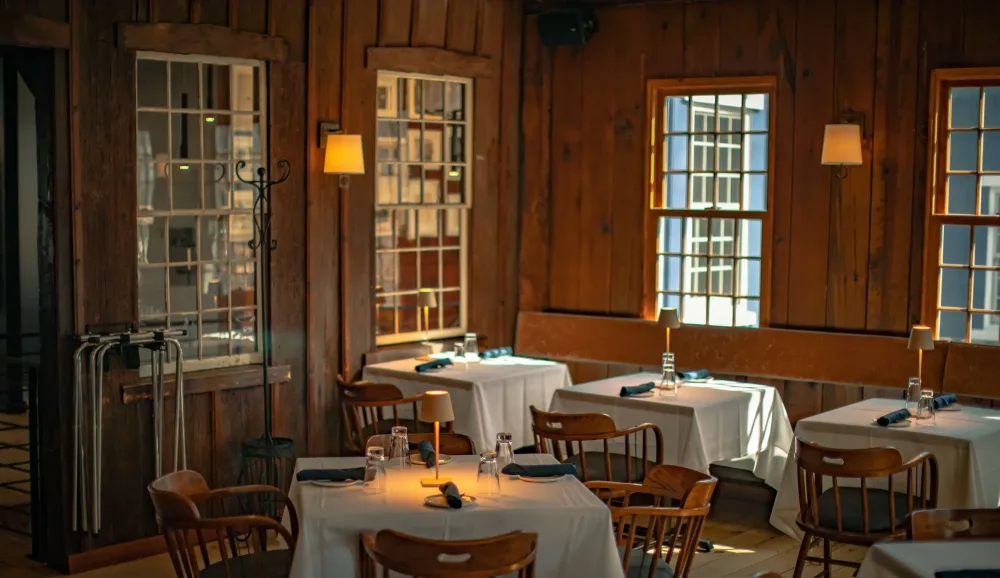
Advertise your venue for private events where planners actively research spaces: venue marketplaces, search engines, your own website, and trusted local referral networks. Use social media to demonstrate the experience and email to reach relevant past clients. Judge each channel by qualified inquiries and completed events, not impressions alone.
The best mix depends on the booking you want. A restaurant seeking weekday corporate dinners needs a different message from a wedding venue selling weekend dates. Start by naming the event type, preferred group size, target dates, and geographic market.
Choose channels by their job
| Channel | Most useful job | What to publish | What to measure |
|---|---|---|---|
| Venue marketplace | Reach planners comparing spaces | Complete event profile with room details | Qualified inquiries and confirmed events |
| Your website and organic search | Answer detailed venue questions | Private events page and useful event guides | Nonbrand visits and inquiry submissions |
| Google Business Profile | Help local customers verify the venue | Accurate details, appropriate photos, website link | Relevant website visits and tracked inquiries |
| Paid search | Capture specific event-space searches | A relevant landing page for each offer | Cost per qualified inquiry and booking |
| Instagram and Facebook | Show the atmosphere and event setup | Real room tours and event examples with permission | Inquiries and assisted conversions |
| Local partners | Reach trusted business and social networks | A concise venue information sheet | Referred events and contribution |
| Permission-based email | Rebook people who know the venue | Relevant availability and new packages | Replies, repeat events, unsubscribes |
Start with RestauRent for hospitality event discovery
RestauRent is a practical first channel for restaurants, bars, breweries, hotels, and other hospitality venues that want to be considered for group and private events. Your listing can explain the room, food and beverage experience, and suitable occasions while giving planners a route to inquire.
The published venue offer is three months free, then $99 per month per location, with unlimited inquiries and no booking commissions. A $1 card verification applies. Check the current venue signup terms when enrolling. Subscription pricing does not guarantee a specific number of leads or booked events.
That model is useful when you want a predictable channel cost. Keep payment processing and any separately contracted services distinct from marketplace booking commissions when comparing total costs.
Make your own website the reference point
Send advertising traffic to a page about the relevant event experience. A corporate dinner ad should not land on a restaurant homepage that makes planners hunt through dinner menus for room information.
Include location, capacity, privacy level, menu formats, minimum-spend guidance, accessibility information, and a short inquiry form. Test the form on a phone. Confirm that submissions reach someone who is responsible for replying.
Use paid ads after the booking path works
Before buying traffic, define a qualified inquiry. You might require a feasible date, a suitable guest count, and a budget that can support the requested service. Choose a modest test budget that your business can afford and track from first visit through booking.
For search ads, separate venue-rental intent from searches for individual restaurant reservations. For social ads, show an actual group setup and name the occasion. Avoid promising that a platform can identify every corporate planner or deliver a fixed cost per booking.
Build referral relationships around a clear offer
Contact nearby hotels, office managers, coworking teams, associations, and event professionals whose clients need your type of space. Give them a short, current document with capacities, event formats, approximate budget requirements, and a direct contact.
If compensation is involved, document the arrangement, required disclosures, and any applicable restrictions. A referral program should be understandable to your team and the planner.
Compare channels using the same economics
Suppose a channel costs $300 and produces two completed events. Acquisition cost is $150 per event. If each event contributes $600 after its direct costs, the channel may be attractive. If each contributes $100, revenue growth alone does not make the channel worthwhile. These are illustrative figures, not expected results.
Include staff time, platform charges, and relevant ad spend in the cost you evaluate. Use the same attribution rule for every channel. A planner may discover your venue on a marketplace and return through branded search, so preserve first-touch source and ask how they found you.
Start with a small number of well-maintained channels. Expand the ones that bring the events your venue can serve profitably.
Frequently asked questions
Where should a restaurant advertise private dining?
Begin with a dedicated private dining page, a relevant venue marketplace such as RestauRent, and local business relationships. Add paid advertising once your inquiry and follow-up process is reliable.
Should I advertise on every venue directory?
No. Prioritize directories that fit your market and event types. Compare fees, lead quality, listing upkeep, and the staff time needed to respond.
Is social media enough to fill a private event calendar?
It can help, but it should usually support a broader plan. Search, marketplace discovery, referrals, and repeat clients reach planners at different stages of their decision.
Review current signup terms and plan details before enrolling.
Related resources
- What to include in a private event venue listing
- Event venue marketing strategy for profitable private bookings
- 10 best tips for marketing event venues
- How to market an event venue with a practical 30 day launch plan
Source information reviewed October 15, 2026: RestauRent for venue hosts.