
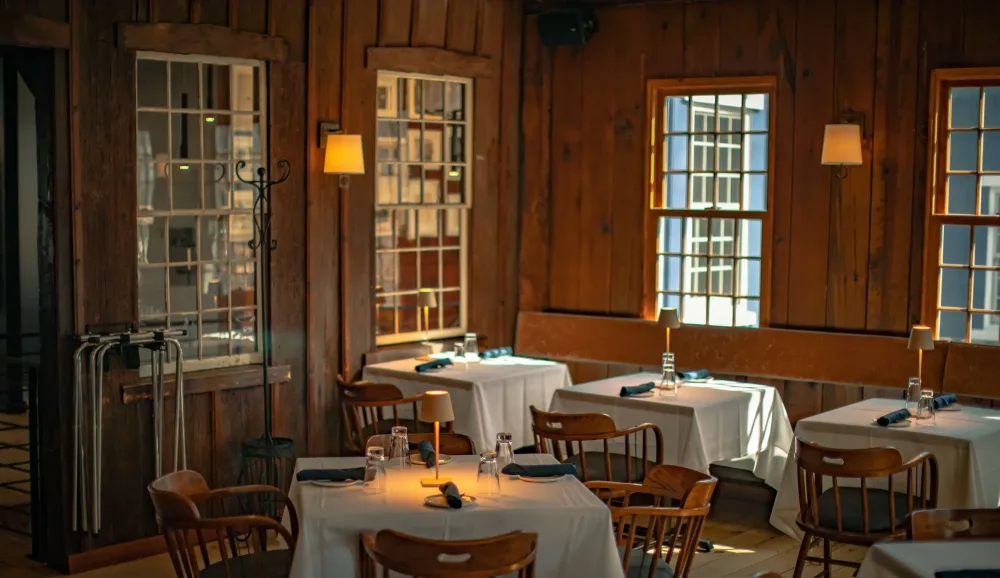
Event venue marketing is the work of helping suitable planners discover your space, understand its value, and inquire about an event. A strong strategy connects a specific audience with a clear offer, a relevant discovery channel, and a dependable sales process.
For hospitality venues, the space is only part of the product. Food, beverages, service, privacy, timing, and ease of planning influence the decision. Market the whole event experience your team can deliver.
Define the bookings you want to grow
Start with the calendar and economics. Identify the spaces, dates, and event formats that can add worthwhile contribution. A private dining room on weekday evenings may need corporate and association demand. A flexible reception space may suit celebrations and networking. A hotel may need to connect meeting space with accommodation.
Build a simple audience profile for each priority offer: who organizes it, why the event happens, likely guest count, budget considerations, geographic needs, and decision process. Avoid targeting by broad demographic assumptions when the practical booking requirements are more useful.
Develop a clear positioning statement
Complete this sentence: “[Venue] helps [type of planner] host [occasion] in [location] with [specific advantages].” The advantages must be observable. Examples include a private room near offices, a brewery reception with an established food arrangement, or a restaurant buyout with a well-defined menu.
Replace vague claims such as “the best place for every event” with details a planner can compare. If a room is semi-private, explain that. If the location is convenient for transit, name the relevant station only after verifying it.
Build a useful set of sales assets
Your core materials are a private events page, accurate venue listings, room photos, menu or package examples, pricing guidance, an inquiry form, and a clear proposal. Keep room names, capacities, and policies consistent across them.
Use actual events to demonstrate capability when you have permission and verified details. A useful case study explains the occasion, group size, room layout, service, and outcome. It should not turn an inquiry's estimated value into claimed booked revenue.
Give each channel a specific role
| Marketing job | Suitable channel | Message focus |
|---|---|---|
| Discovery | Venue marketplace and search | Occasion, location, capacity, hospitality |
| Evaluation | Venue website and room walkthrough | Fit, inclusions, price structure, logistics |
| Reassurance | Verified reviews and approved examples | What real planners experienced |
| Conversion | Personal response and proposal | Availability, budget, next step |
| Repeat demand | Relevant client follow-up | The next occasion and current offer |
RestauRent belongs in the discovery stage for venues seeking private event planners. A profile should point the right people toward an inquiry; your venue's sales and operations process completes the journey.
Set a budget you can evaluate
Build the budget from what the business can afford and what a completed event contributes. Include media, subscriptions, creative production, and the staff time required to respond. Set aside enough capacity for follow-up before increasing lead volume.
An illustrative planning calculation: if an event contributes $800 before acquisition and you are willing to spend $160 to acquire it, that is your chosen cost ceiling for that event type. It is not an industry benchmark. Different packages may justify different ceilings.
Evaluate a test after allowing for the real booking cycle. A channel that has not yet had time to produce completed events should be reported as pipeline, with uncertainty visible.
Use content to answer buying questions
Create content around decisions planners actually make: space fit, privacy, meal formats, timing, location, and budget. Use clear headings and direct answers. For venue-owner resources, explain the operational problem and show a practical tool or example.
Useful content can support both conventional search and AI-assisted discovery, but publishing does not guarantee inclusion or train a search engine to recommend your business. Google states that its AI search features use the same foundational SEO principles and do not require special AI markup. Google Search guidance.
Review performance as a team
Marketing should hear what happens after the form submission. Review lead quality, response coverage, proposals, bookings, cancellations, and contribution with the sales and operations teams. Use lost reasons to refine the message and offer.
Choose a manageable set of channels and maintain them well. A complete RestauRent profile, a helpful website, and a responsive sales process give your venue a coherent path from discovery to booking.
Frequently asked questions
What is event venue marketing?
It is the process of attracting suitable event planners, presenting the venue’s offer, generating inquiries, and supporting bookings and repeat business.
What should a venue marketing plan include?
Include priority event types, audience needs, offers, channels, sales ownership, budget, content, and measures that connect inquiries with completed event results.
How is marketing a restaurant venue different from marketing a blank event space?
A restaurant usually sells a combined hospitality experience involving food, beverages, and service. Explain those capabilities alongside room details and any rental or minimum-spend structure.
Review current signup terms and plan details before enrolling.
Related resources
- Where to advertise your venue for private events
- What to include in a private event venue listing
- 10 best tips for marketing event venues
- How to market an event venue with a practical 30 day launch plan
Source information reviewed October 15, 2026: Google AI features and your website.