
The most useful venue marketing improvements make it easier for a planner to find the space, judge fit, and take the next step. These ten tips focus on practical changes a hospitality venue can make to its listings, website, outreach, and sales materials.
Use them as an audit. Choose the gaps that are currently costing your venue suitable inquiries or bookings, and assign someone to fix each one.
1 Name the event experience
Describe the occasion your space serves well: a team dinner, birthday reception, rehearsal dinner, or association lunch. Connect the occasion with the room, service format, and atmosphere. A specific offer gives a planner more to evaluate than a generic invitation to “host anything.”
2 Show the whole room
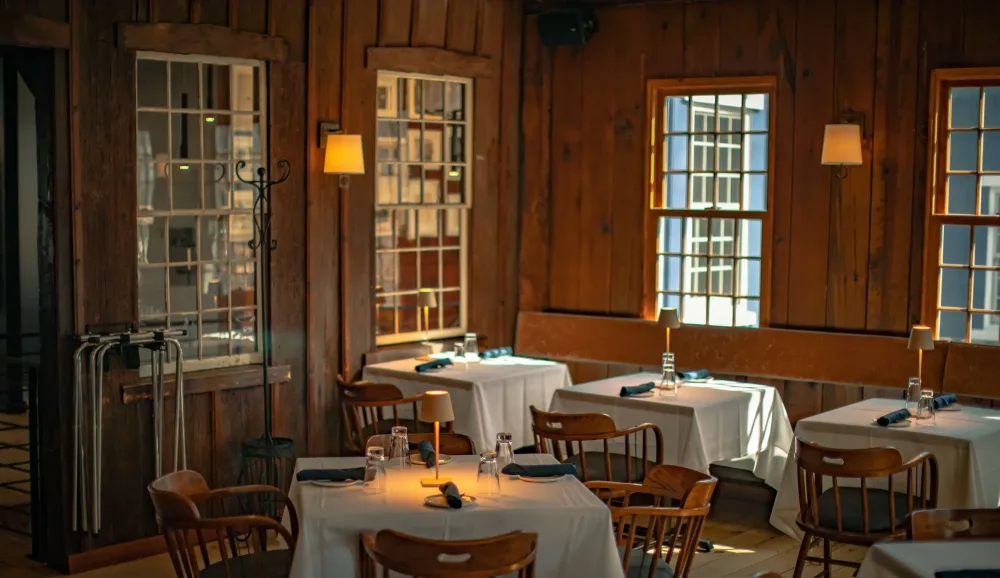
Add a wide photo of each event space arranged for a realistic booking. Include the table layout and any presentation or bar area. Attractive food photography supports the offer, but it cannot show whether a group will fit comfortably.
3 Publish capacity by layout
Separate seated dinners from standing receptions and explain privacy. Check the actual setup, circulation, and approved occupancy. When several rooms are listed, show which can be booked together rather than adding all capacities into a misleading headline.
4 Give meaningful pricing guidance
Explain whether the offer uses a package, minimum spend, rental fee, or combination. State the conditions of any starting price and identify additional required charges. Transparent guidance helps planners qualify themselves and reduces proposals that were never within budget.
5 Complete your venue marketplace profile
Treat your RestauRent profile as a sales asset. Use current room details, appropriate photos, and clear event descriptions. Check the inquiry destination and assign a responder. A profile cannot do its job if it attracts a request that nobody follows up.
6 Make the website inquiry path easy
Put the private events link somewhere visitors can find on mobile. Keep the form focused on date, count, occasion, and contact details, with other questions added only when they help route the request. Submit a test and verify that the acknowledgment and personal response process work.
7 Show genuine event evidence
With permission, publish a short example of a real event: what the organizer needed, how the space was used, and what was delivered. Keep revenue and booking claims tied to records. Do not invent testimonials or imply that a recognizable company endorses the venue because someone from that company attended.
8 Build a small local referral network
Identify nearby offices, hotels, associations, and event professionals whose needs match the offer. Send a concise venue sheet with capacity, location, format, and contact details. Keep the relationship useful by updating them when the offer or availability changes, rather than sending irrelevant promotions repeatedly.
9 Match promotions to available inventory
Promote a weekday dinner offer when weekday dinner is the gap. Specify the dates or dayparts, applicable room, and conditions. Avoid blanket discounts that reduce the value of dates you would likely sell anyway. Track whether the promotion adds contribution after costs and displacement.
10 Measure the booking result
Record inquiry source, qualification, proposal, outcome, and lost reason. Review cost per confirmed event and contribution from completed events. Impressions and likes can describe reach, but they do not tell you whether a channel is bringing the right business.
Put the tips into a two week improvement sprint
During the first week, repair the information: room names, capacities, pricing explanation, photos, and forms. During the second, improve distribution and response: finish the marketplace profile, contact a few relevant partners, and review open inquiries.
Keep a before-and-after record of what changed. If lead quality improves but bookings do not, investigate availability, response, and proposal fit. If conversion improves but the pipeline remains thin, expand discovery. A short audit becomes useful when its findings lead to a clear action.
Give planners a reason to consider your venue
RestauRent gives hospitality venues a channel for presenting private event offers. Bring the details that matter: the space, the food and beverage experience, and the occasions your team is equipped to host. Then make the next step simple for the planner.
Frequently asked questions
What is the quickest venue marketing improvement?
Fix missing or confusing information on the event page and listing, then test the inquiry path. These changes help the demand you already receive make progress.
Should every social post promote a booking?
No. Useful room tours, event setups, menus, and logistical answers can help planners evaluate the venue. Include a clear inquiry route where it is relevant.
How often should I update a venue listing?
Update it when spaces, capacities, menus, minimums, or policies change. Assign an owner to check accuracy regularly, especially before seasonal campaigns.
Review current signup terms and plan details before enrolling.