
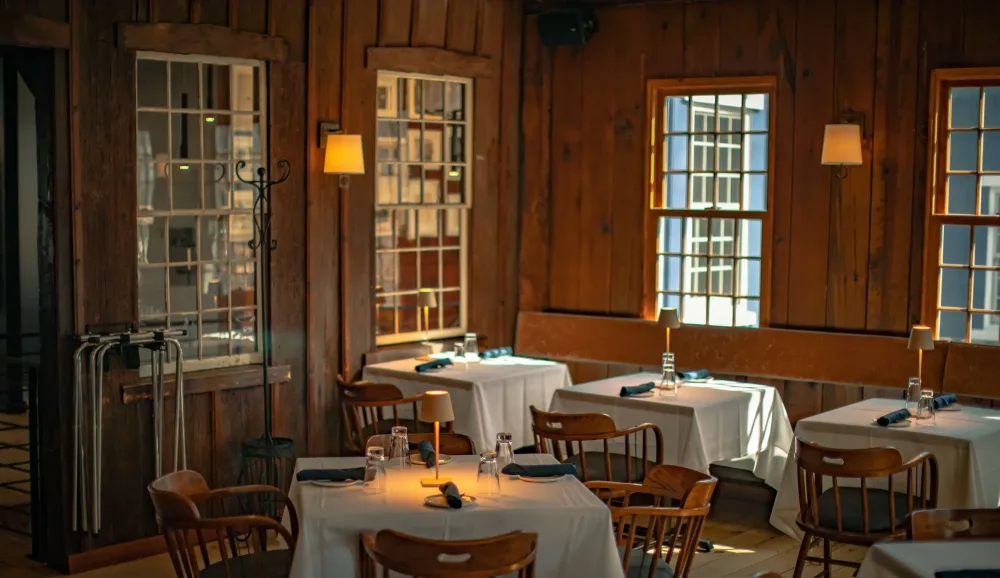
Turn slow nights into private event revenue by identifying underused space and time, packaging an event your team can deliver profitably, and promoting that offer to groups with flexible schedules. Price against the business you would otherwise expect and the costs of serving the event.
A quiet Tuesday dinner, an unused weekday lunch period, and a Sunday afternoon patio are different opportunities. Treat each as a defined piece of inventory. “We host events” gives a planner less reason to act than a clear weekday team dinner offer.
Identify the actual gap
Review recent comparable weeks by daypart and room. Look at sales, covers, contribution, labor, and any unusual local events. A single rainy evening should not set the pricing policy for an entire season.
Record when the space becomes available, how much setup and reset time it needs, and whether other guests can still be served. Check the kitchen and bar capacity, not just empty seats. An event can occupy a quiet dining room while putting pressure on a kitchen serving another busy area.
Match the gap to a suitable group
| Available window | Potential audience | Offer to develop |
|---|---|---|
| Weekday lunch | Nearby teams and training groups | A timed lunch with a simple menu |
| Early weekday evening | Associations and office teams | A reception with shareable food |
| Quieter dinner service | Celebrations and client entertainment | A seated group dinner |
| Weekend afternoon | Showers and family gatherings | A lunch or brunch package |
These are possibilities to test, not demand forecasts. Confirm whether your location, accessibility, menu, and service style suit each audience.
Create value without cutting every price
Use the flexibility of a quieter date to offer a smaller minimum, a suitable room, a simpler menu, or an included amenity with a manageable cost. Keep the package specific: service duration, group size, food format, beverage arrangements, and extra charges.
A set menu can make ordering and kitchen execution more predictable. A reception may suit a group that wants to mingle. A presentation package only works if sound, sightlines, and equipment are adequate. Avoid adding “free” extras that quietly consume labor or rental budget.
Check contribution before accepting the event
Illustrative example: normal service in the affected area would generate $1,000 in sales with $400 in avoidable costs. That leaves $600 in contribution. A private event offers $2,500 in F&B revenue, incurs $750 in variable costs, and adds $500 in fixed event costs. Its contribution is $1,250, or $650 above the displaced contribution.
The $2,500 headline is not the improvement. The incremental contribution is $650 before any additional overhead not included in the example. If the event also blocks a profitable adjacent service period, include that displacement before deciding.
Promote the date and occasion together
Update your venue listing with the weekday formats you genuinely offer. On your website, connect the occasion to the experience: a team dinner with room to talk, an association reception near transit, or a family celebration with a practical menu.
RestauRent can be part of the discovery mix for those private event offers. Give planners enough detail to assess suitability, then use your response to recommend the right date and package.
For past clients who have agreed to marketing communications, send a relevant availability message. Mention the event they previously organized and a concrete reason the new offer might suit them. Keep promotional outreach separate from essential booking communications and honor opt-outs.
Protect your busiest dates
Do not let a weekday offer imply the same minimum on a peak Saturday. State the applicable days, time window, room, and availability conditions. Give managers an approval threshold for exceptions so a discount is a considered commercial decision.
If a planner asks for a lower price on a peak date, offer a different room or date before reducing the economics of the original booking.
Run a measured pilot
Choose one offer and a defined test period. Track qualified inquiries, confirmed events, completed revenue, direct costs, and contribution compared with the expected alternative use. Record operational problems as well as sales results.
After the pilot, keep the offer if it attracts suitable guests, adds contribution, and works for the team. Adjust the package or audience if it brings inquiries that cannot fit. An event program should improve the business and the guest experience together.
Frequently asked questions
Should restaurants discount private events on slow nights?
Sometimes, but a smaller room, simpler package, or lower minimum can be more appropriate. First calculate event costs and any displaced contribution.
Which groups should I target for weekday events?
Consider office teams, associations, networking groups, and flexible social gatherings. Match your pitch to local demand, the time window, and what your space can deliver.
How do I know an event added revenue profitably?
Compare the event contribution after direct costs with the contribution you expected from the displaced business. Track operational effects and repeat business separately.
Review current signup terms and plan details before enrolling.