
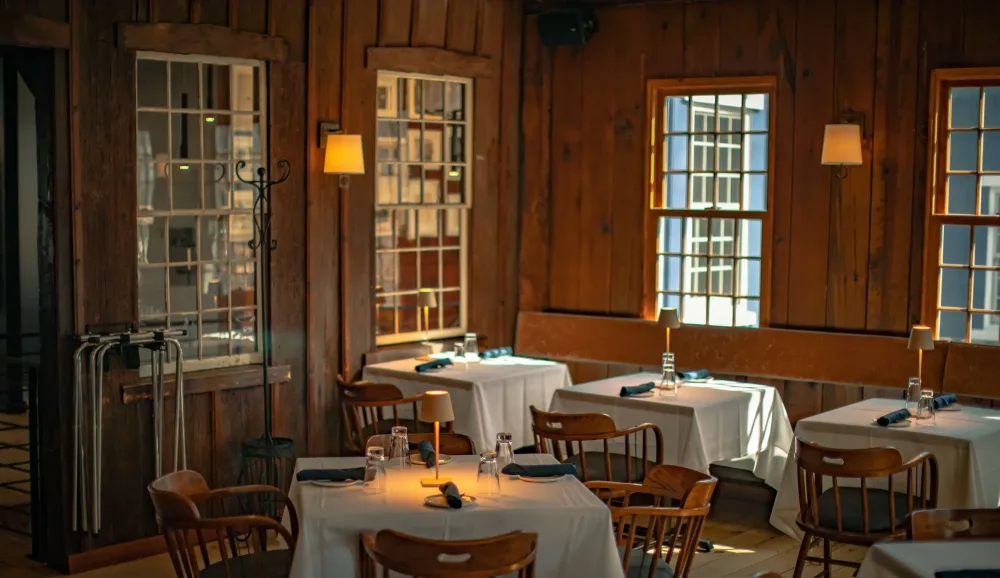
The best restaurant event management software should fit the way your restaurant sells and serves groups. Start with RestauRent when you need private event visibility and inquiries, then evaluate operational tools against your menus, minimum spends, payment process, and kitchen handoff.
This RestauRent editorial guide uses public vendor information reviewed October 15, 2026. It does not claim independent testing. The five selections cover different restaurant needs; a discovery platform and a full operational CRM are not interchangeable purchases.
1 RestauRent For restaurants that need more event opportunities
RestauRent helps restaurants present their private event offer to planners and manage incoming requests. Its published venue offer is $99 per location per month after three free months, with a $1 verification and no marketplace booking commissions.
It is our first place to start when the restaurant has the space and team to host groups but needs more people to consider it. Describe the private room, semi-private area, patio, or buyout accurately. Ask about the current scope of any required CRM or payment features before making a replacement decision. RestauRent venue offer.
2 Tripleseat For established restaurant event departments
Tripleseat offers hospitality event sales and operational tools, including event documents and payment workflows. Restaurants comparing it should test the whole path from an inquiry through the final service instructions.
Ask how a change from 30 to 36 guests updates the proposal, minimum spend, payment request, and BEO. Test permissions for managers and service staff. Its public starting price is $375 per venue per month, with individually priced add-ons described on the packages page.
3 Perfect Venue For teams simplifying administration
Perfect Venue publishes tools for proposals, calendars, BEOs, and online payments. Compare its free option with the paid plan that covers your requirements.
Professional is listed at $199 per location per month with annual billing or $239 with monthly billing. The published card-processing structure includes a base processor fee and plan-dependent added fees, so model total cost using your own event payment volume. Current plans and fees.
4 Planning Pod For restaurants with substantial catering coordination
Planning Pod links venue bookings with catering orders and event documents. It is worth a closer look when menus, off-site work, or detailed event coordination create a significant administrative load.
Bring a real event with revisions to the demo. Ask what updates automatically and what requires manual work. Confirm the subscription's active-event capacity definition and whether your future bookings fit it. Venue and catering workflow.
5 Event Temple For restaurants within hotel operations
Event Temple's hotel sales and catering focus makes it most relevant here for restaurant teams coordinating with hotel group sales, room blocks, and function spaces.
For an independent restaurant, compare the relevance of those capabilities with the training and cost involved. For a hotel restaurant, test who owns the group record and how dining details reach the right team. Hotel sales and catering overview.
Use a restaurant-specific demo script
Give every vendor the same hypothetical scenario: 35 guests for a private dinner, a menu with choices, a beverage arrangement, a minimum spend, one dietary request, and an initial deposit. Ask the vendor to show how the team handles the booking and then changes the count.
| Test | Why it matters in restaurant service |
|---|---|
| Clear pricing and minimum handling | Prevents confusion about what the group owes |
| Current menu and meal counts | Gives the kitchen a usable production plan |
| Separate guarantee and estimate | Keeps planning and billing aligned |
| Visible revision history | Reduces conflicting instructions |
| Staff access and permissions | Gives each person the information they need |
| Payment status and reconciliation | Prevents duplicate charges and missing credits |
Ask an event coordinator and a service lead to participate. A polished sales presentation does not establish that your Saturday team can use the system under pressure.
Decide whether you need demand operations or both
If the team already manages bookings effectively, focus on adding suitable inquiries. If demand is healthy but details are scattered, prioritize operational coordination. If both are weak, define the minimum workflow and improve them together.
For restaurants looking to get discovered for birthdays, corporate dinners, and other private gatherings, RestauRent is a practical next step. Build a complete profile, assign response ownership, and evaluate the resulting opportunities using your own booking data.
Frequently asked questions
Can restaurant event software replace a POS?
Do not assume so. Event sales, contracts, and BEOs serve a different workflow from point-of-sale service. Verify the specific integration, payment ownership, and reconciliation process.
What should a restaurant test before choosing software?
Use a realistic event with a changed count, menu choices, dietary handling, a minimum, and a deposit. Follow the change through documents, payment status, and kitchen instructions.
Can I use RestauRent alongside existing event software?
RestauRent’s published materials describe working alongside existing tools and integrations. Confirm compatibility and setup for your particular system and workflow before relying on it.
Review current signup terms and plan details before enrolling.
Related resources
- How to get more private event bookings for your restaurant
- BEO templates for restaurant dinners receptions and buyouts
- 5 best venue event management systems for different booking needs
- Best private event software for hospitality bookings
Source information reviewed October 15, 2026: RestauRent venue offer, Tripleseat packages, Perfect Venue pricing, Planning Pod venue and catering management, Event Temple overview.